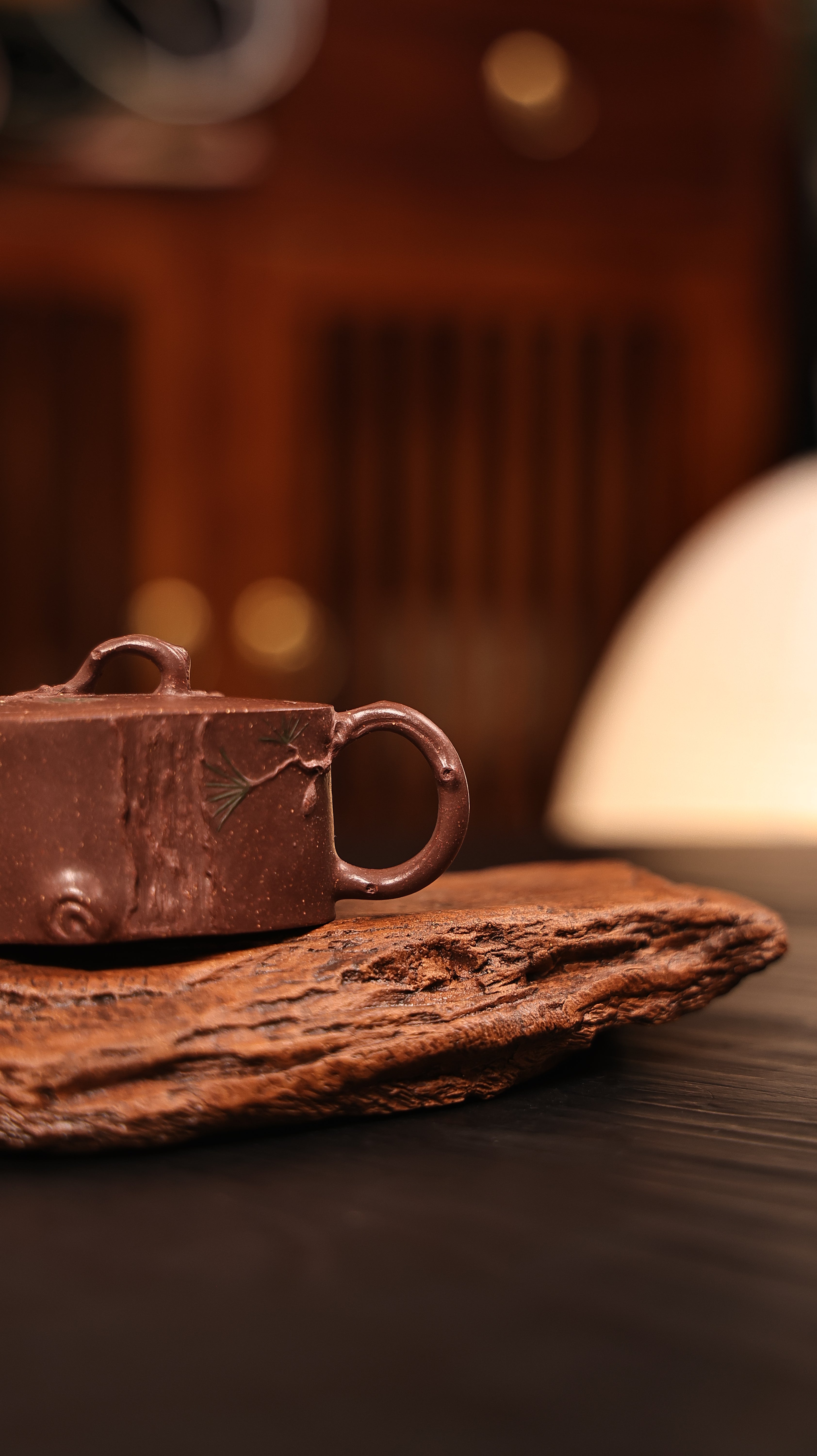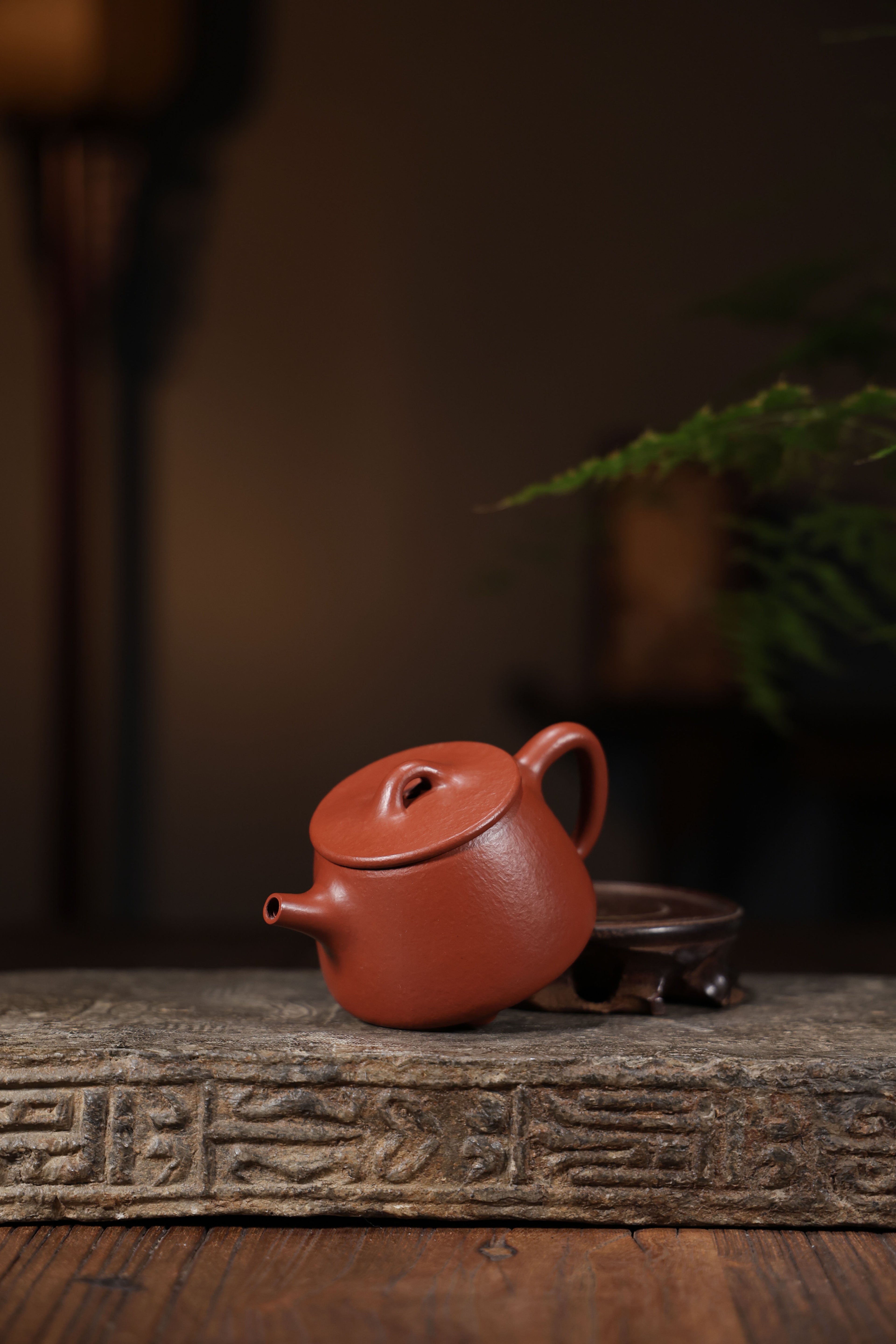
Periods in enthusiasts have long favored the special attraction of Yixing Zisha vessels. Emerging in the cozy town of Yixing, the land, these earthenware are formed from a unique and sourced purple clay renowned for its exceptional thermal elements and efficacy to augment the essence of infusions. Beyond their valuable asset, Zisha teapots express a deep cultural pedigree, resulting them exceptionally collectible and a genuine wonder for any ardent teapot fan.
Exploring Yixing Kettles
Traditional teapots represent a distinct integration of history and skilled craftsmanship. Originating in Yixing, Jiangsu Territory of China, their narrative stretches the Ming Dynasty, although evidence suggest earlier models. The distinctive purple clay, called Zisha, found specifically in the Yixing region, is the key component, contributing to the pots' impressive heat holding and the manner they influence the notes of tea. Periods of potters have polished techniques—often handed over through families—including modeling the clay, applying complex embellishments, and firing the pots at exact temperatures.- Back then, Yixing teapots were often decorated with simple designs.
- Down the line, more elaborate carvings and graphic motifs became favored.
- The heat treatment itself is a fundamental element, requiring considerable time of expertise.
Curating Zisha Teapots: Essential Criteria
Beginning a expedition to collect Zisha kettles can be profitable, but it’s important to appreciate what to look for. Authenticity is essential; focus on the clay’s natural tint, a understated reddish-brown is usual. Examine the touch; genuine Zisha has a distinctive tactile sensation, often explained as slightly rugged. The form should be harmonious and consistent with established styles, while marks, if present, require meticulous examination for truthfulness. Don’t shy away to consult with seasoned specialists or respected authorities – their wisdom is essential.
Chinese Vessels: Examining the Practice of renowned Zisha
Ages have seen Yixing Purple Earth teapots possess a notable role in Chinese civilization. These masterfully created pots, sourced only from the zone of Yixing, are distinguished for their specific shade, feel, and their ability to enhance the taste of beverages. A multitude of collectors chase antique Yixing teapots, estimating them considerably not only for their aesthetic elegance, but also for the chronicle they signify.
Yixing Zisha Teapots: A Finest Varieties and Their Features
Purple Clay teapots, coming from the local area of Yixing, the People’s Republic, are celebrated for their distinctive clay and unparalleled brewing skills. Amid the multiple Zisha types, particular types that are highly esteemed include Zhuni. Binzhou, known for its dark purple shade and smooth texture, delivers a light flavor. Duan Ni category, recognizable by its auburn color and mildly grainy feel, is considered to enhance tea’s substance. Lastly, Zhuni form boasts an unique ruby tone and can lend a sweet nuance. Each category grants a unique experience, making them considerably desirable between infusion enthusiasts.
Brewing Perfection Specific Pottery Pot
To unleash the wonder of your Yixing container, grasping the correct method is indispensable. These clay teapots, celebrated for their filtering ability, will progressively accept the core of the tea you prepare within them. Begin by scraping the container thoroughly with hot water. Then, use only excellent full leaf tea, as lower quality options can ruin the item’s delicate aroma. Always give the leaves to develop completely, and remember that with each use, your Yixing pitcher will become ever esteemed.
Preserving Your Beloved Zisha Piece
Proper care Chinese Teapot for your Zisha container is essential to safeguarding its beauty and merit. Zisha clay, celebrated for its unique cast and texture, requires attentive handling. Never use abrasive agents, as these can undermine the coating. After every utilization, rinse the vessel with gentle warm water and allow it to air out completely.
- Decline soaking the teapot for extended intervals.
- At intervals use a soft rag to dress the exterior.
- Consider applying a thin layer of food-grade fat inside the urn after drying, which can prevent staining.
Introduction to Yixing Vessels
Yixing earthenware, originating from the Yixing sector in Jiangsu Province, part of China, are celebrated for their distinctive aspects. Made from the unique purple ground known as Zisha, these earthenware are prized by concoction enthusiasts worldwide. This introduction will concisely explain the foundations – covering brands of Zisha earth, frequent shapes, and necessary care pointers. Understanding the history of Yixing vessels can broaden your appreciation for this revered example of Han culture.
Art of Zhongguo Containers: Examining Zisha deriving from Yixing City
Zisha ware from the Yixing area represents the summit of Han kettle design, projecting a uncommon blend of natural beauty and practical artistry. These exceptional pieces are famed for their vibrant shades, often covering rich purples and chestnut hues to light greys and gentle beiges. The unique mineral composition of the indigenous Zisha terrain imparts a identifying texture and offers a desirable aroma that boosts the total infusion experience, causing them extremely desired collectibles and vital components of any serious tea.